

1. Introduction: Why Regulatory Compliance Is Central to HSSE
Health, Safety, Security, and Environment (HSSE) performance in the oil and gas industry is inseparable from regulatory compliance. The sector operates with high-energy processes, hazardous substances, complex logistics, and significant environmental footprints. Regulations exist to prevent catastrophic events, protect workers and communities, safeguard assets, and preserve ecosystems.
Regulatory and compliance focus in HSSE is not merely about “meeting minimum requirements”. It is about systematically identifying hazards, managing risks, and demonstrating due diligence across the asset life cycle—from exploration and drilling to production, transportation, decommissioning, and abandonment.
2. Understanding Regulatory Compliance in Oil & Gas HSSE
Regulatory compliance refers to the structured adherence to:
- National laws and regulations (labor, safety, environmental, maritime, aviation, security)
- International conventions and standards
- Industry codes of practice
- Operator-specific HSSE management systems
Compliance is enforced by regulatory authorities, verified through audits and inspections, and demonstrated through documented systems, competent personnel, and operational discipline.
3. Key Drivers of HSSE Regulation in Oil & Gas
Regulatory frameworks are shaped by several critical drivers:
a. Major Industrial Accidents
Historic disasters (blowouts, explosions, spills) revealed systemic failures in risk management, leading to stricter laws emphasizing process safety, barrier management, and independent verification.
b. Worker Protection
High injury and fatality rates prompted laws covering:
- Safe systems of work
- Permit to Work (PTW)
- Confined space entry
- Working at height
- Lifting operations
- Electrical isolation (LOTO)
c. Environmental Protection
Oil spills, gas flaring, and produced water discharges resulted in robust environmental impact assessment (EIA), spill response, and emissions control regulations.
d. Security and Geopolitical Risk
Piracy, sabotage, and terrorism—especially in offshore and remote locations—necessitated security risk assessments and asset protection regulations.
4. International HSSE Regulatory Frameworks & Standards
While laws are country-specific, oil and gas HSSE is heavily influenced by international frameworks:
- International Labour Organization (ILO) – Occupational safety and workers’ rights
- International Maritime Organization (IMO) – Offshore vessels, MODUs, maritime pollution (MARPOL)
- International Organization for Standardization (ISO) – ISO 45001 (OH&S), ISO 14001 (Environment), ISO 31000 (Risk)
- International Association of Oil & Gas Producers (IOGP) – Life-Saving Rules, HSSE guidance
- American Petroleum Institute (API) – Process safety, drilling, and operational standards
These frameworks help operators harmonise HSSE expectations globally, especially in multinational projects.
5. National Regulatory Authorities (Examples)
Each oil-producing country establishes regulators to enforce HSSE laws, such as:
- Occupational safety authorities
- Environmental protection agencies
- Petroleum regulators
- Maritime and aviation authorities
- Civil defense and emergency management agencies
Operators must comply with local laws first, even when they exceed international standards.
6. HSSE Compliance Across the Asset Life Cycle
Regulatory focus spans every phase of operations:
a. Exploration & Drilling
- Environmental Impact Assessments (EIA)
- Well design and well integrity regulations
- Blowout preventer (BOP) testing
- Drilling permit approvals
b. Construction & Commissioning
- Construction safety regulations
- Lifting and crane certification
- Electrical and mechanical integrity
- Simultaneous Operations (SIMOPS) control
c. Production & Operations
- Permit to Work (PTW) systems
- Process safety and alarm management
- Hazardous area classification
- Occupational health surveillance
d. Transportation & Logistics
- Pipeline integrity management
- Marine safety and navigation compliance
- Helicopter and aviation safety standards
e. Decommissioning & Abandonment
- Environmental restoration
- Waste management and disposal
- Well plugging and abandonment regulations
7. Core HSSE Regulatory Pillars
7.1 Health Regulations
Focus on occupational health protection, including:
- Exposure to chemicals (H₂S, benzene)
- Noise and vibration
- Ergonomics
- Fitness to work and medical standards
7.2 Safety Regulations
Covers personal and process safety:
- Job Hazard Analysis (JHA)
- Safe isolation (LOTO)
- Confined space and hot work controls
- Emergency response and evacuation
7.3 Security Regulations
Addresses:
- Access control
- Offshore and onshore asset protection
- Maritime security
- Crisis management and threat mitigation
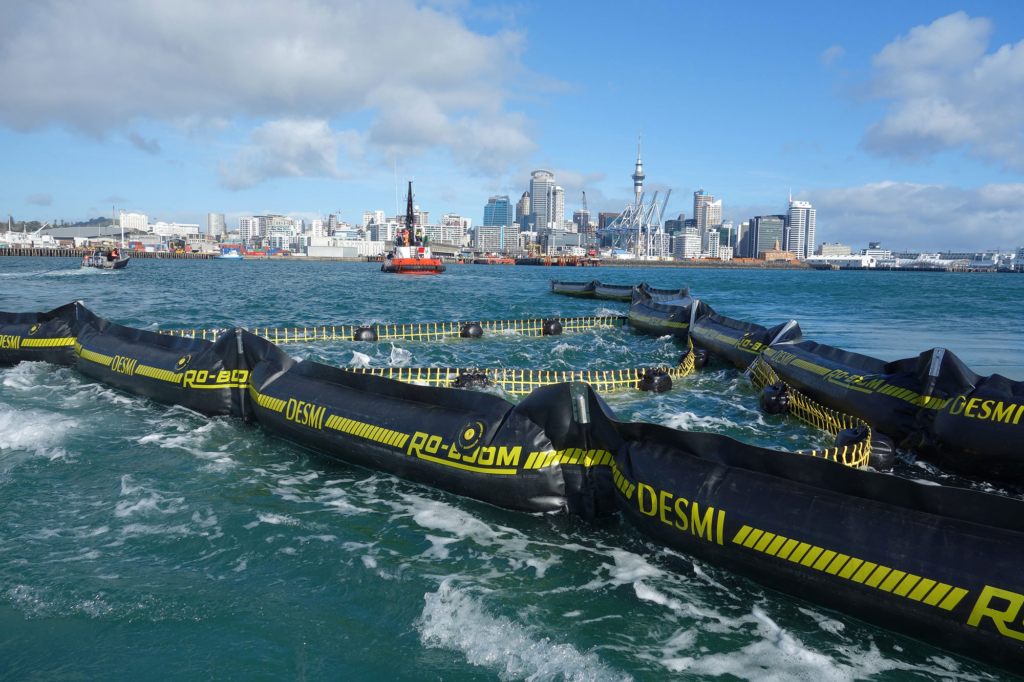
7.4 Environmental Regulations
Include:
- Oil spill prevention and response
- Waste segregation and disposal
- Air emissions and gas flaring limits
- Biodiversity and habitat protection
8. HSSE Management Systems as a Compliance Tool
Most regulators require a formal HSSE Management System (HSSE-MS) that demonstrates:
- Leadership and commitment
- Risk identification and control
- Competency assurance
- Operational control procedures
- Incident reporting and investigation
- Continuous improvement
Many operators adopt structured systems aligned with ISO and IOGP models to prove compliance proactively rather than reactively.
9. Audits, Inspections, and Enforcement
Regulatory compliance is verified through:
- Regulatory inspections (announced and unannounced)
- Internal and external audits
- Safety case reviews
- Environmental monitoring and sampling
Non-compliance can result in:
- Improvement or prohibition notices
- Fines and penalties
- Shutdowns or licence withdrawal
- Criminal liability for management
10. Contractor & Supply Chain Compliance
A critical regulatory expectation is contractor HSSE management. Operators are accountable for:
- Contractor prequalification
- HSSE bridging documents
- Competency verification
- Supervision and performance monitoring
Weak contractor control is a common root cause in major incidents.
11. Regulatory Compliance vs. Operational Excellence
Leading organisations recognise that:
Compliance is the minimum standard—excellence goes beyond compliance.
Best-in-class operators:
- Embed safety culture, not just rules
- Use leading indicators, not only lagging ones
- Invest in training and human factors
- Encourage stop-work authority
- Learn from near misses and industry incidents
12. Common Compliance Challenges in Oil & Gas
- Regulatory overlap and complexity
- Aging assets and integrity issues
- Inconsistent enforcement across regions
- Cultural and behavioral gaps
- Documentation without real implementation
Addressing these requires strong leadership, competent HSSE professionals, and continuous engagement with regulators.
13. The Future of HSSE Regulation in Oil & Gas
Emerging regulatory trends include:
- Stronger climate and emissions regulation
- Digital reporting and real-time monitoring
- Enhanced process safety requirements
- Greater accountability of senior management
- Integration of sustainability and ESG into HSSE
14. Conclusion
Regulatory and compliance focus in HSSE is the foundation of safe, secure, and environmentally responsible oil and gas operations. It protects lives, assets, and the environment while preserving an operator’s licence to operate.
Organisations that treat compliance as a living system—embedded in culture, leadership, and daily operations—consistently outperform those that view it as paperwork or enforcement alone.