

Introduction to HSSE in the Oil Industry
The oil industry operates in a complex environment that necessitates robust frameworks to manage various risks and ensure safe operations. This necessity has given rise to the concept of HSSE, which stands for Health, Safety, Security, and Environment. HSSE is integral to the oil sector as it not only addresses the well-being of employees and stakeholders but also ensures compliance with regulatory standards and promotes sustainability.
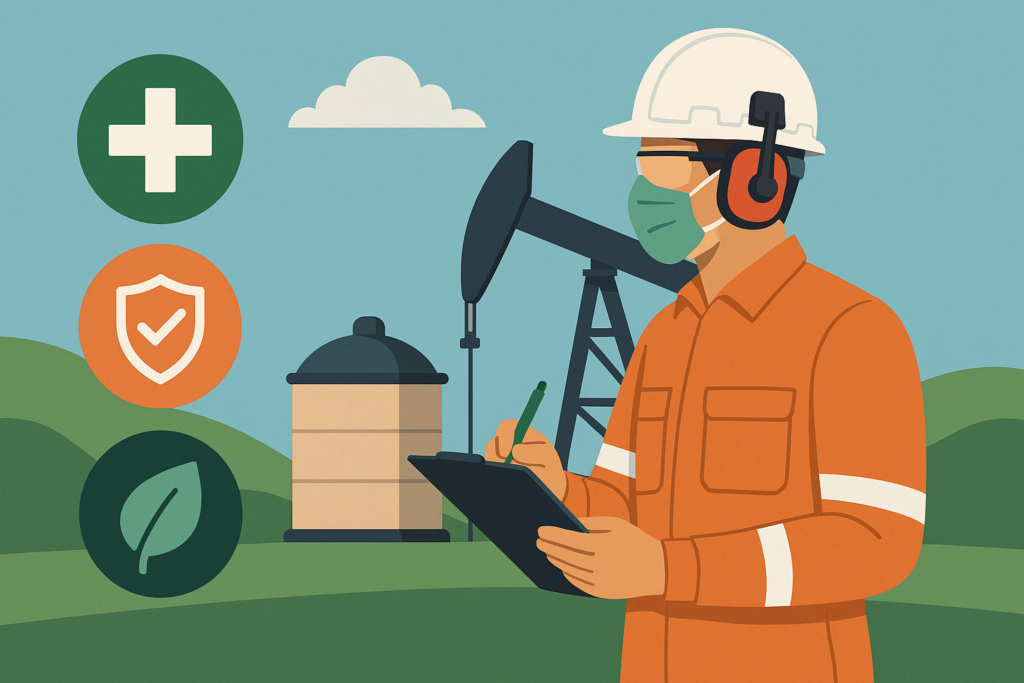
At its core, HSSE emphasizes the importance of health management within the oil industry. Effective health management is crucial to mitigate risks associated with oil extraction, refining, and distribution processes. This involves implementing rigorous health monitoring, preventive measures, and emergency preparedness protocols designed to protect workers from occupational hazards. Furthermore, such strategies are vital to maintaining operational efficiency and minimizing downtime associated with health-related issues.
The various components of HSSE—health, safety, security, and environment—are interconnected and collectively contribute to the operational effectiveness of oil companies. For instance, a strong health management system can lead to enhanced safety outcomes, reducing workplace accidents and fostering a culture of safety among employees. Similarly, environmental management practices can influence public perceptions, thereby enhancing the security of operations by securing community trust and stakeholder engagement.
Understanding the framework of HSSE is not just beneficial; it is essential for the sustainability of the oil industry. As global standards evolve and awareness of occupational and environmental health issues increases, the integration of HSSE principles into organizational practices becomes pressing. This guide will delve deeper into the health management component of HSSE, exploring its significance, methodologies, and best practices within the oil sector.
Understanding Health Management in Oil Operations
Health management in oil operations is a systematic approach aimed at ensuring the health and safety of workers engaged in the oil industry. This encompasses the establishment of health management systems that identify, assess, and mitigate health risks associated with various job functions. A robust health management system is crucial for promoting worker welfare and ensuring compliance with regulatory standards.
The primary objective of health management in oil operations is to prevent occupational diseases and injuries. This includes implementing preventive measures, providing necessary training, and conducting regular health assessments. Health management systems facilitate the monitoring of worker health and help in identifying potential hazards before they escalate. As such, they play a significant role in fostering a culture of safety and well-being within the organization.
Legal requirements and industry standards form a backbone for health management protocols in the oil sector. Regulatory bodies, such as the Occupational Safety and Health Administration (OSHA) in the United States, mandate that oil companies adhere to strict health guidelines. These regulations often necessitate the implementation of comprehensive health management plans that include health education, risk assessments, and ongoing surveillance of worker health. Failure to comply with these standards can lead to significant legal repercussions and endanger the overall safety of operations.
Moreover, industry standards, such as those outlined by the International Association of Oil & Gas Producers (IOGP), provide additional benchmarks for effective health management. Companies in the oil industry must continually evaluate their health management practices, ensuring alignment with best practices to safeguard employee health while optimizing operational efficiency. Overall, effective health management systems in oil operations are essential not only for legal compliance but also for promoting a proactive culture of safety and health among workers.
Risk Assessment and Health Management
In the oil industry, effective health management relies heavily on comprehensive risk assessment procedures. Risk assessments allow organizations to identify potential health risks associated with oil operations, which is crucial for developing targeted health management strategies that mitigate these risks. These assessments analyze various factors, including environmental conditions, worker exposure, and available safety measures, to determine the likelihood and severity of health hazards.
The methodologies for conducting risk assessments are diverse, often tailored to the specific operations within the oil sector. Common techniques include qualitative assessments, which involve expert judgment and experience to evaluate risks, and quantitative assessments, which utilize statistical analysis to measure risk levels. Another popular method, the bowtie analysis, visually represents the pathways and preventive measures between potential hazards and their consequences. Implementing these methodologies ensures a structured approach to identifying health risks, facilitating proactive management.
Health hazards in the oil industry can be significant, given the nature of the operations involved. Some prevalent risks include exposure to toxic substances, such as benzene and hydrogen sulfide, as well as physical hazards like noise and heat stress. Additionally, ergonomic risks resulting from manual handling and awkward postures can lead to musculoskeletal disorders, emphasizing the importance of including all possible risks in assessments. Addressing these health hazards through proper risk assessments is not only essential for employee well-being but also serves to enhance operational efficiency and compliance with regulatory standards.
Overall, the thorough identification and analysis of health risks allow for the implementation of effective health management strategies, ultimately fostering a safer work environment. By actively engaging in risk assessments, organizations can protect their workforce and sustain operations within the oil industry while adhering to health and safety regulations.
Implementing Health Management Programs
Implementing effective health management programs within the oil industry requires a structured approach designed to enhance employee well-being while ensuring compliance with industry regulations. The first essential step is the development of comprehensive health policies tailored to the unique challenges faced in oil extraction and processing environments. These policies should address various aspects of health risks associated with oil operations, including exposure to hazardous substances and occupational accidents.
Once robust health policies are established, the next critical step involves training employees. This training should encompass not only the specifics of health policies but also the importance of personal health choices and preventive measures. Training sessions can include workshops, seminars, and interactive sessions that not only inform but also engage employees, fostering a culture of health awareness within the workplace. The inclusion of practical health exercises can serve to further motivate employees to adopt healthier lifestyles both on and off the job.
Moreover, establishing health promotion initiatives is vital in encouraging ongoing employee participation in health management programs. These initiatives can encompass a variety of activities such as regular health screenings, exercise programs, and wellness challenges that promote fitness and mental well-being. By integrating these components, oil industry organizations can create an environment where health is prioritized and supported by all levels of management.
Furthermore, the involvement of employees in the design and implementation of health management programs fosters a sense of ownership and accountability. When workers feel actively engaged in their health management journey, they are more likely to participate fully and support these initiatives. Management commitment is also crucial; leadership must demonstrate a genuine dedication to health and safety principles, reinforcing their importance through policies, practices, and resource allocation. This collaborative approach leads to sustainable health management practices that positively impact employees and the overall productivity of the organization.
Monitoring and Evaluating Health Performance
In the oil industry, effective health management is crucial for ensuring the safety and well-being of employees and compliance with regulations. Monitoring and evaluating health performance involves a systematic approach to assess how well health programs are functioning, identifying areas for improvement, and ultimately enhancing overall health outcomes in the workplace. One of the fundamental components of this process is the development and use of key performance indicators (KPIs) specifically tailored to health management practices in the sector.
KPIs enable organizations to quantify health performance, track progress over time, and benchmark against industry standards. Common KPIs in the oil industry may include injury and illness rates, absenteeism, compliance with health screenings, and employee satisfaction with health programs. By focusing on precise metrics, organizations can proactively address health issues and foster a culture of safety.
Data collection is the next critical step in monitoring health performance. Various methods, such as surveys, health assessments, incident reports, and employee feedback, can provide valuable insights into the effectiveness of health initiatives. Advanced analytics tools can further enhance this process by enabling the aggregation and analysis of vast amounts of data to identify trends and patterns. This approach allows for timely identification of health risks and the evaluation of the effectiveness of implemented interventions.
Once data is gathered, it must be meticulously analyzed to draw actionable conclusions. By assessing the collected data against established KPIs, organizations can pinpoint strengths and weaknesses in their health management programs. Continuous feedback loops should be established to disseminate findings among stakeholders, ensuring that necessary adjustments are made to optimize health programs. This ongoing monitoring and evaluation process is essential for maintaining a responsive health management strategy within the oil sector, thereby contributing to a safer and more productive work environment.
Emergency Preparedness and Response Plans
In the oil industry, the complexity and potential hazards associated with operations necessitate robust emergency preparedness and response plans. These plans are essential for safeguarding the health of employees and the surrounding environment during unforeseen incidents, such as oil spills, explosions, or extreme weather events. Effective health management is intricately linked to these emergency strategies, allowing for prompt and efficient responses that prioritize worker safety.
Critical components of emergency response plans include clear communication protocols, risk assessment procedures, and the establishment of roles and responsibilities among team members. Each employee should be trained on their specific duties as part of the emergency response teams. Health-related contingencies play a vital role in these plans, including provisions for medical treatment, evacuation routes, and first aid measures. This ensures that, in the event of an emergency, the health and well-being of these individuals are promptly addressed.
Training exercises are an indispensable element of these emergency response plans. Regular drills simulate potential emergency scenarios, enabling workers to practice their responses and refine their skills in a controlled environment. These exercises help to identify gaps in the emergency procedures, enabling constant improvements in the health management aspect of the response plans. By regularly evaluating these protocols through drills, organizations foster a culture of safety and preparedness, ensuring employees are equipped to react effectively during actual emergencies.
Moreover, integrating health management with emergency preparedness augments overall response effectiveness by addressing mental health aspects, which are often overlooked. Stress and trauma can significantly impact employee performance during crises, underscoring the need for psychological support systems within emergency plans. Thus, a comprehensive approach, focusing on health and wellness, is essential for developing resilient emergency response frameworks in the oil industry.
Health Surveillance in the Oil Industry
Health surveillance is a pivotal component of health management in the oil industry. It entails systematic monitoring of employees’ health to identify any potential work-related diseases or conditions. The significance of health surveillance cannot be overstated, as it plays a crucial role in preventing occupational diseases and ensuring the well-being of workers in a demanding environment.
There are several types of health surveillance programs implemented within the oil sector. These programs typically include pre-employment medical assessments, routine health screenings, and periodic health evaluations tailored to the specific risks associated with oil industry operations. For instance, workers exposed to hazardous chemicals may undergo biological monitoring to detect early signs of adverse health effects. In addition, auditory, respiratory, and musculoskeletal evaluations are common to monitor conditions that may develop from prolonged exposure to specific workplace hazards.
The benefits of implementing robust health surveillance systems extend beyond individual employee welfare to encompass overall organizational productivity. Regular health screenings facilitate early detection of potential health issues, allowing for timely intervention. This proactive approach not only reduces the incidence of occupational diseases but also contributes to higher levels of employee morale and productivity. By prioritizing health surveillance, companies can cultivate a culture of safety and care, which ultimately fosters loyalty and diminishes turnover rates among employees.
Moreover, data collected through these surveillance initiatives can inform risk assessments and guide the development of effective health and safety policies. By continuously monitoring employee health, employers in the oil industry can adapt practices and provide training to mitigate risks associated with hazardous conditions. Overall, health surveillance is essential in promoting a healthier workforce and sustaining operational efficiency in the oil sector.
Promoting a Safety Culture in Health Management
A robust safety culture is a cornerstone of effective health management strategies within the oil industry. At its core, a safety culture represents the collective values, beliefs, and norms that shape the attitudes and behaviors of employees concerning safety and health practices. Fostering such a culture is vital as it significantly influences not only compliance with health management protocols but also the overall well-being of personnel.
The importance of a strong safety culture cannot be overstated. It empowers employees at all levels to prioritize health and safety, encouraging proactive behavior that minimizes risks and enhances workplace welfare. When employees feel that their organization prioritizes their safety, they are more likely to engage in practices that protect their health and the well-being of their colleagues. This reduction in accidents and health-related incidents not only leads to improved employee morale but also enhances organizational productivity and reputation.
To successfully cultivate a safety culture, organizations must employ several strategic approaches. First, leadership commitment is crucial; management should consistently communicate the centrality of health and safety in day-to-day operations. Training initiatives are also essential in reinforcing the skills needed for hazard recognition and risk mitigation. Regular safety drills, workshops, and awareness campaigns serve to keep health management at the forefront of employees’ minds.
Transparent reporting systems can help further establish a safety culture. Encouraging employees to report hazards or incidents without fear of reprisal fosters an environment of trust and collective responsibility. Additionally, recognizing and rewarding safe practices can motivate employees to adhere more closely to health management policies. Ultimately, establishing a safety culture within an organization is an ongoing commitment that leads to a more resilient workforce and a healthier workplace environment.
Future Trends in Health Management for the Oil Industry
The oil industry has been undergoing significant transformations, particularly in the realm of health management, as it adapts to new challenges and opportunities. One pivotal trend shaping the future of health management in this sector is the integration of advanced technology. Innovations such as telemedicine, wearable health devices, and AI-driven analytics are streamlining health monitoring and response protocols. These technologies not only enhance real-time health data collection but also facilitate prompt interventions, improving the well-being of oil workers.
Moreover, the emphasis on preventative health measures is expected to increase. Companies are moving towards proactive health management practices that prioritize preventive care, wellness programs, and regular health screenings. This shift focuses not only on physical health but also on incorporating mental health resources, recognizing the importance of emotional well-being on overall job performance and safety.
Regulatory frameworks and industry standards are also evolving, influencing health management practices. Stricter regulations around worker safety and health, mandated by government bodies and industry associations, are driving companies to adopt comprehensive health management systems. These systems encompass risk assessments, health impact evaluations, and employee wellness initiatives, fostering environments that prioritize worker health.
Finally, there is a growing trend of prioritizing mental health and wellness among workers in the oil sector. Recognizing that mental health plays a critical role in employee productivity and safety outcomes, organizations are increasingly offering mental health support programs. Initiatives may include counseling services, stress management workshops, and enhanced communication channels for employees to voice their needs.
As the oil industry continues to evolve, embracing these trends in health management will be crucial for enhancing the overall well-being of its workforce, ensuring safety, and improving operational efficiency.