
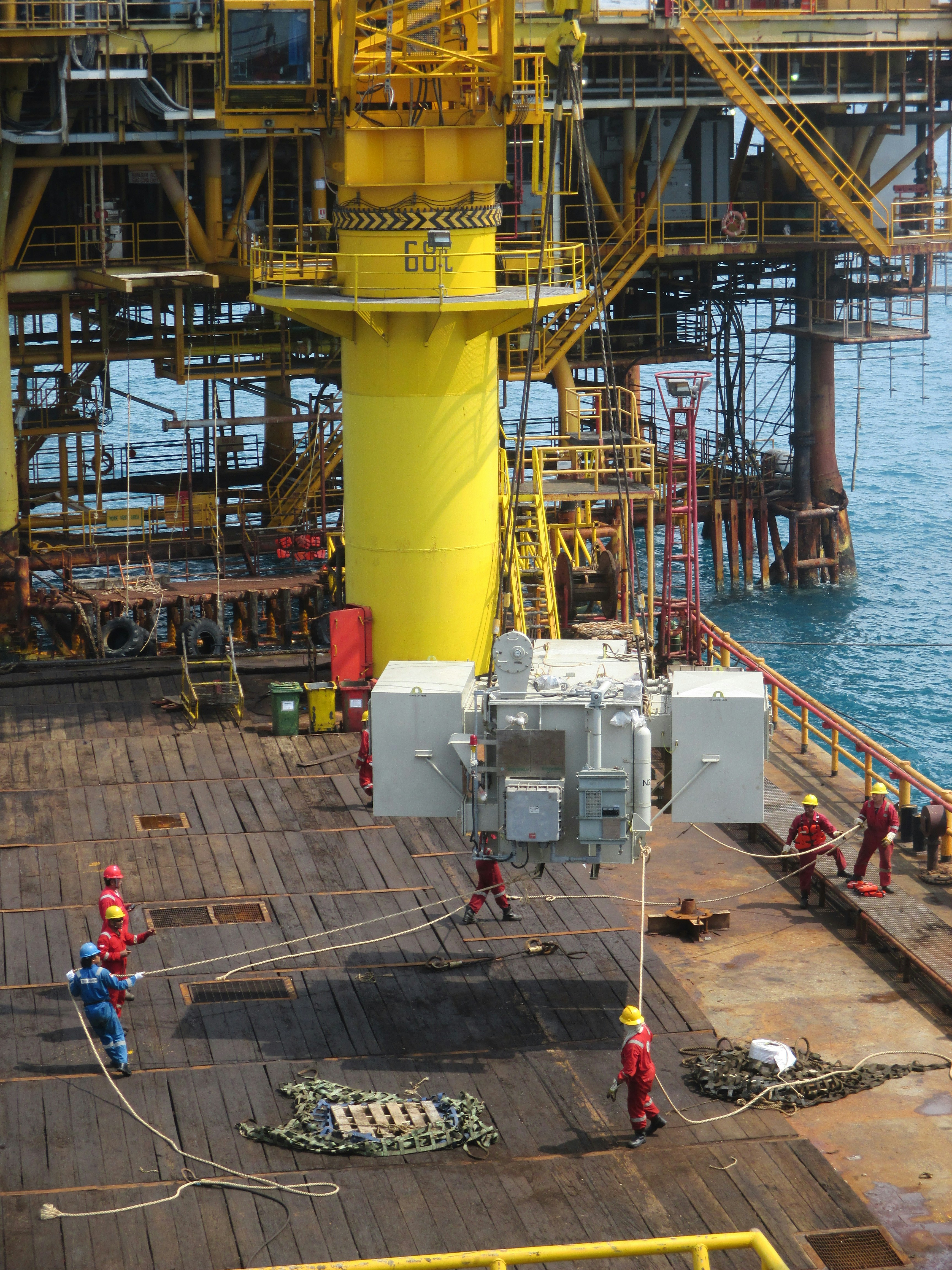
Introduction to Tank Cleaning in FPSOs
Floating Production Storage and Offloading (FPSO) units are critical components in offshore oil and gas operations. These maritime vessels are designed to perform the dual function of processing hydrocarbons and storing them until they can be transported to shore. Due to the unique operational environment of FPSOs, an array of tanks is employed—each serving distinct functions including the storage of crude oil, produced water, and various chemicals. Understanding the significance of tank cleaning in FPSOs is essential for maintaining operational efficiency and safeguarding personnel and the environment.
Tank cleaning in FPSOs serves several vital purposes. Firstly, it is essential to remove sludge, sediment, and other residues that accumulate over time. Such residues can lead to corrosion, reduced storage capacity, and potentially hazardous situations. Moreover, the effectiveness of the cleaning operation directly impacts the quality of the stored product, ensuring that it meets the required specifications for transportation and sale.
Common types of tanks found on FPSOs include crude oil storage tanks, slop tanks, and water handling tanks. Each of these tanks has specific cleaning requirements based on the substances they hold and their operational roles. For instance, crude oil tanks might require periodic cleaning to eliminate contaminants that could affect the oil quality. Meanwhile, slop tanks, which contain a mixture of water and hydrocarbons, require frequent attention to prevent obstructions in the system and mitigate environmental risks.
Regular tank cleaning not only enhances operational efficiency but is also pivotal for safety compliance. With stringent regulations governing oil and gas operations, routine cleaning helps FPSO operators adhere to local and international standards regarding environmental protection and workplace safety. Therefore, implementing systematic tank cleaning protocols is crucial for the overall sustainability of FPSO operations.
Understanding the Tank Cleaning Process
The tank cleaning process is a critical component of maintaining the safety and efficiency of Floating Production Storage and Offloading units (FPSOs). This process involves a series of methodical steps designed to remove contaminants and residues from storage tanks. Proper execution of these steps is essential to ensure compliance with regulatory standards and to safeguard the personnel involved.
The first step, known as the pre-cleaning procedure, involves isolating the tank to ensure a safe working environment. This typically includes purging the tank of any flammable vapors and ensuring that all safety equipment is operational. After achieving isolation, workers conduct a thorough inspection of the tank to evaluate the amount of residue and determine the most effective cleaning method.
When it comes to cleaning methodologies, several options are available. Water jetting is a popular technique that utilizes high-pressure water to dislodge and remove accumulated debris from tank walls. Mechanical cleaning, involving the use of specialized tools such as scrapers and brushes, is another effective method, particularly for stubborn residues. Additionally, chemical cleaning employs various solvents and detergents to dissolve and facilitate the removal of hydrocarbons and other contaminants. The selection of cleaning method will depend on the specific application, the type of residues present, and the tank’s material.
Post-cleaning inspections are conducted to verify that the cleaning process has been completed successfully. This may involve visual inspections, testing for residual contaminants, and assessments to ensure that the tank meets industry standards. These inspections not only confirm the cleanliness of the tank but also help in planning future cleaning cycles effectively.
Safety Precautions Before Cleaning Begins
Before initiating tank cleaning operations in Floating Production Storage and Offloading (FPSO) units, it is essential to undertake a series of safety precautions that ensure the well-being of personnel and the integrity of the facility. The first step is to conduct a thorough hazard identification process. This involves recognizing potential risks associated with confined space entry, chemical exposure, and physical hazards related to cleaning equipment and materials.
Subsequently, a risk assessment should be performed to evaluate the identified hazards and determine appropriate control measures. This systematic analysis aids in foreseeing possible incidents and implementing strategies to mitigate risks. Every worker involved in the tank cleaning process must participate in this assessment, contributing to a comprehensive understanding of the environmental and operational risks present.
Another critical aspect of safety is the utilization of proper personal protective equipment (PPE). Depending on the nature of substances that are present within the tanks, the range of PPE may include helmets, gloves, goggles, respiratory protection, and full-body suits. The selection of suitable PPE is paramount, as this equipment acts as the first line of defense against potential exposure to hazardous materials and situations.
Additionally, following established safety protocols cannot be overstated. This includes complying with the standard operating procedures (SOPs) set forth by the facility and relevant regulatory requirements. Training sessions should be conducted to ensure that all personnel are familiar with the protocols and know how to respond in emergency situations. Regular safety drills pertaining to tank cleaning operations should also be scheduled to reinforce preparedness among the crew. By adhering to these safety measures, FPSO tank cleaning operations can be conducted with minimized risks, ensuring a safe working environment for all involved.
Equipment and Tools Required for Tank Cleaning
The effective execution of tank cleaning in Floating Production Storage and Offloading (FPSO) units necessitates a variety of specialized equipment and tools. Each piece of equipment serves a unique function in maintaining safety and enhancing operational efficiency during the tank cleaning process.
Firstly, cleaning systems play a pivotal role. These systems often incorporate high-pressure water jets that utilize water at extreme pressures to dislodge and remove accumulated sludge and contaminants from tank surfaces. High-pressure water jetting, in particular, is preferred due to its efficiency and reduced need for manual cleaning methods.
In addition to cleaning systems, safety gear is critical in tank cleaning operations. Personnel should don protective equipment, including helmets, gloves, goggles, and full-body suits, to safeguard against hazardous chemicals and potential toxic fumes. Safety harnesses and rope access systems are equally essential for operators working in confined and elevated spaces, as they provide added security during cleaning tasks.
Chemical agents also constitute an integral component of the tank cleaning process. Effective cleaning agents, such as solvents, detergents, and emulsifiers, are formulated to break down organic matter and facilitate the removal of residues. These chemicals help ensure thorough cleaning while contributing to the overall efficiency of the procedure.
Moreover, vacuum systems are indispensable in managing waste during tank cleaning. These systems are designed to safely extract sludge and liquids from the tank environment, minimizing the risk of spillage and contamination. Through the use of vacuum technology, operators can efficiently handle hazardous waste, ensuring compliance with environmental regulations.
In summary, the combination of advanced cleaning systems, appropriate safety gear, potent chemical agents, and effective waste management technologies are fundamental to the success of tank cleaning operations in FPSOs. Utilizing these tools not only enhances cleaning efficiency but also promotes safety and environmental compliance throughout the process.
Personnel Training and Competency
Effective tank cleaning in Floating Production Storage and Offloading (FPSO) units is greatly dependent on the training and competency of the personnel involved in the operation. The complexity and potential risks associated with tank cleaning necessitate a well-informed and skilled workforce. It is essential for personnel to acquire necessary certifications, partake in relevant training programs, and undergo periodic assessments to ensure they are well-versed in operational procedures and safety standards.
First and foremost, personnel should undergo basic safety training that covers the hazards associated with tank cleaning, including exposure to toxic substances and the risk of confined space entry. Such training is vital to instilling a proactive safety culture within the workforce. It is equally important for workers to attain specific certifications that are recognized and regulated by industry standards, which serve as proof of their preparedness for the challenges they may face.
Training programs ought to be comprehensive, encompassing both theoretical knowledge and practical skills. Simulation-based training techniques can further enhance learning by allowing workers to experience real-life scenarios in a controlled environment. Moreover, ongoing assessments should be conducted to evaluate individual competencies, ensuring that personnel remain proficient in their skills and are updated on the latest best practices and technologies related to tank cleaning.
Regular refresher courses are also critical to maintaining a high level of competency. The dynamic nature of regulations, safety protocols, and operational technologies mandates continuous learning. By investing in comprehensive training and development programs, FPSO operators can minimize the risk of accidents and enhance the overall efficiency of tank cleaning operations. A well-trained workforce not only adheres to safety standards but also contributes to the effective management and maintenance of the FPSOs, ultimately leading to safer environments and improved operational performance.
Waste Management and Disposal Procedures
Effective waste management and disposal during tank cleaning operations in Floating Production Storage and Offloading (FPSO) units are essential to comply with environmental regulations and ensure crew safety. The cleaning process generates various types of waste, including sludge, oily water, and hazardous materials that require careful handling to prevent environmental contamination and health risks.
To begin with, it is crucial to categorize the waste produced during tank cleaning. This includes identifying hazardous waste, which typically contains harmful substances that can pose significant risks if not managed properly. The crew is responsible for ensuring that all waste is collected in designated containers that are clearly labeled to indicate their content. This helps prevent accidental mixing, which could lead to reactions that may be unsafe.
Following collection, the next step involves treatment processes aimed at neutralizing or minimizing the hazardous characteristics of the waste. Advanced technologies, such as centrifugation and thermal desorption, can be employed to separate solid waste from liquids, enabling the recovery of useful materials while reducing the volume of waste requiring disposal. It is also essential to maintain thorough documentation during this process, as regulatory authorities often require records of waste generation and treatment methods.
Once treated, the final disposal of waste must comply with local, national, and international regulations to safeguard the environment. Options for disposal may include incineration, landfill, or transfer to a facility specialized in hazardous waste disposal. Each option requires that the waste be handled, transported, and disposed of following strict compliance measures to avoid potential legal issues.
In summary, proper waste management and disposal procedures during tank cleaning in FPSOs hinge on diligent planning, training, and adherence to regulations. Ensuring that crews are well-versed in these procedures not only protects the environment but also enhances the safety and efficiency of tank cleaning operations.
Emergency Response Procedures
During tank cleaning operations on Floating Production Storage and Offloading units (FPSOs), it is imperative to have a robust emergency response plan in place. This plan should encompass a variety of potential incidents, including accidents, chemical spills, and equipment failures, to ensure the safety of personnel and the integrity of the operation.
Firstly, all personnel involved in tank cleaning must be familiar with the emergency response protocols specific to their roles. Comprehensive training sessions should be conducted regularly, detailing how to recognize an emergency, the immediate actions to take, and the appropriate reporting procedures. In the event of an accident, it is critical that workers first assess the situation for safety before taking any further action.
Should a chemical spill occur, the response must be swift and methodical. Personnel should immediately contain the spill using appropriate barriers and absorbent materials. Furthermore, an emergency communication protocol should be established, allowing workers to quickly notify colleagues and management of the spill and its classification. This ensures that specialized teams can be dispatched to manage the hazardous situation efficiently and effectively.
Additionally, in the event of a significant equipment failure, an established escalation process must be followed. This typically involves notifying senior personnel, who can then assess the severity of the failure and determine whether evacuation is necessary. Evacuation procedures must be clear and well-rehearsed, detailing safe exit routes and assembly points for all personnel.
Integrating these emergency response procedures into the tank cleaning operations is crucial for maintaining safety and compliance. Regular drills should be conducted to ensure that all crew members are confident in their understanding and execution of the procedures. This proactive approach minimizes risk and bolsters the overall response capability, thereby safeguarding the health and safety of all individuals involved in tank cleaning activities.
Case Studies and Lessons Learned
Tank cleaning operations within Floating Production Storage and Offloading (FPSO) vessels are critical for maintaining safety and efficiency. Various case studies offer valuable insights into the practices that can lead to successful operations or, conversely, result in incidents. One notable case involved an FPSO operating in the North Sea, where a systematic tank cleaning process led to the successful removal of residues after a prolonged production period. This operation employed automated cleaning equipment that minimized manual labor and reduced human exposure to hazardous materials. The success of this operation highlighted the importance of investing in advanced technologies to improve safety margins and operational efficiency.
Conversely, an incident in another FPSO demonstrated potential pitfalls in tank cleaning procedures. In this case, insufficient pre-cleaning assessments led to a hazardous build-up of flammable vapors, resulting in a near-miss event during the cleaning operation. Investigations revealed that the lack of comprehensive risk assessments and inadequate training for crew members were contributing factors to the incident. This case emphasizes the necessity for stringent safety protocols and the need to ensure that all personnel are well-trained and aware of the risks involved in tank cleaning.
Through these case studies, several lessons have emerged. First, the integration of advanced technologies can greatly enhance safety and efficiency during tank cleaning operations. Moreover, comprehensive pre-cleaning assessments and robust risk management strategies are vital to identify potential hazards. Training crew members on safety precautions and procedures ensures that they are equipped to manage risks effectively. Additionally, regular reviews of cleaning protocols and incident analyses can further contribute to the continuous improvement of tank cleaning practices within FPSOs, ultimately fostering a safer working environment.
Conclusion and Best Practices for Safe Tank Cleaning
In conclusion, ensuring safe tank cleaning in Floating Production Storage and Offloading (FPSO) units is of paramount importance for maintaining operational efficiency and safeguarding personnel. This guide has outlined critical procedures such as risk assessments, control measures, and the necessary personal protective equipment (PPE) required during the tank cleaning process. Furthermore, the significance of adhering to regulations and guidelines has been emphasized to mitigate hazards associated with confined space entry and the handling of hazardous materials.
It is essential for organizations to adopt industry best practices to ensure the effectiveness and safety of tank cleaning operations. First and foremost, comprehensive training programs for personnel involved in tank cleaning should be implemented. This training should cover not only the technical aspects of the cleaning process but also the safety protocols associated with working in confined spaces and the use of PPE.
Additionally, organizations should invest in regular maintenance and inspection of cleaning equipment and safety gear to avoid failures during operation. Establishing a communication plan that fosters a culture of safety can also significantly reduce risks. This may involve utilizing safety observation systems or routine safety meetings to continually reinforce the importance of safety practices.
Finally, continuous improvement should be a key component of any tank cleaning strategy. Encouraging personnel to report near misses and incidents can provide valuable insights. Analyzing these reports will facilitate the identification of trends and areas for improvement, ultimately leading to enhanced safety standards. By creating a proactive safety culture and diligently following established best practices, companies can achieve safer and more efficient tank cleaning processes in FPSOs.