
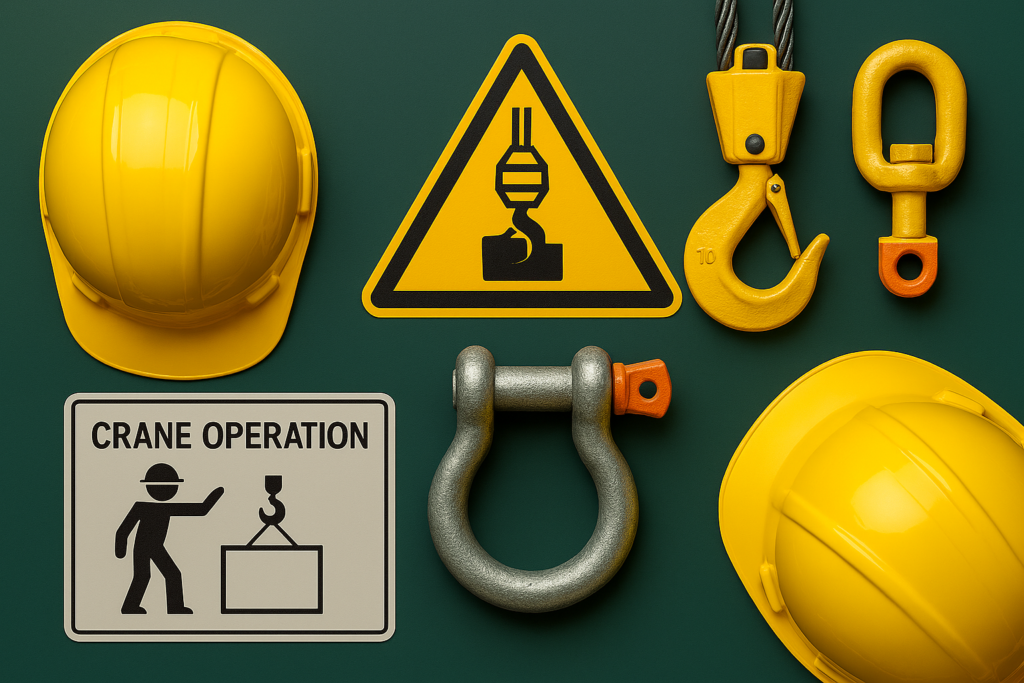
Cranes are indispensable in construction, industrial, and offshore operations, enabling the lifting and movement of heavy loads with precision. However, crane operations carry significant risks if not properly managed. Accidents involving cranes can result in severe injuries, fatalities, and costly equipment damage. This article provides a comprehensive guide to crane operation best practices, focusing on safety, planning, and operational excellence.
Why Crane Safety Matters
- Human Safety: Crane accidents often involve catastrophic consequences for personnel.
- Asset Protection: Dropped loads or crane failures can damage structures and equipment.
- Regulatory Compliance: Standards such as OSHA, ASME B30, and LOLER mandate strict crane safety protocols.
- Operational Continuity: Incidents lead to downtime, investigations, and financial losses.
Common Crane Hazards
- Overloading: Exceeding rated capacity can cause structural failure.
- Poor Ground Conditions: Inadequate bearing capacity can lead to crane tipping.
- Unstable Loads: Improper rigging or load balance increases swing risk.
- Environmental Factors: Wind, rain, and poor visibility affect stability and control.
- Communication Failures: Misunderstood signals between operator and riggers can cause accidents.
Crane Operation Best Practices
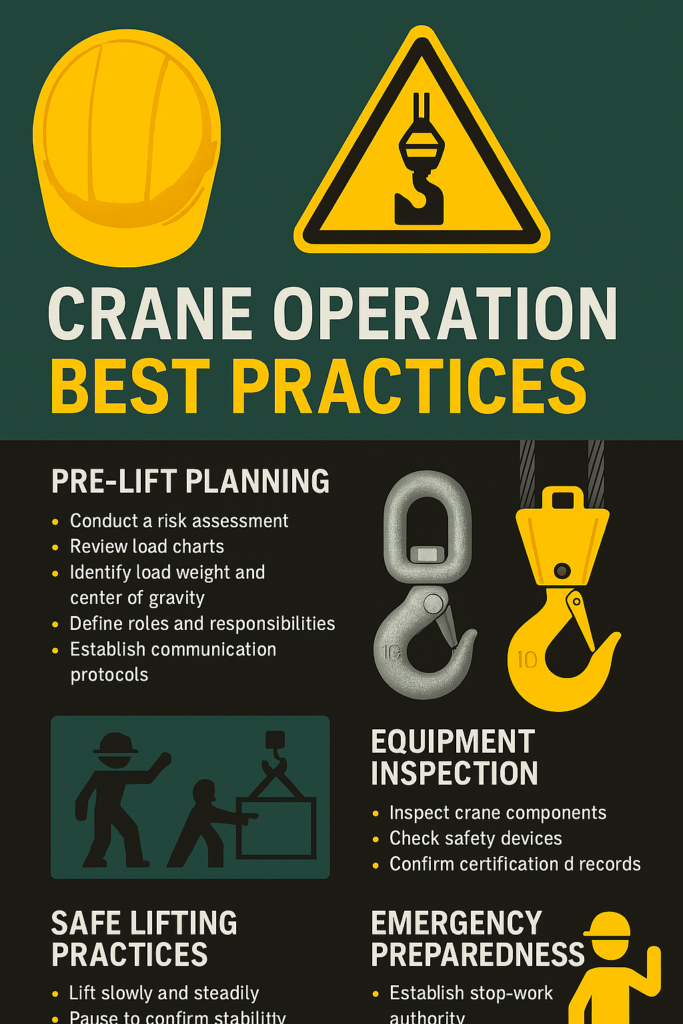
1. Pre-Lift Planning
- Conduct a risk assessment for every lift.
- Review load charts and confirm crane capacity for the planned configuration.
- Identify load weight, center of gravity, and lifting points.
- Define roles and responsibilities: operator, rigger, lift supervisor, and signal person.
- Establish communication protocols (hand signals, radios).
2. Site Preparation
- Verify ground bearing capacity and use mats or cribbing for outriggers.
- Ensure clearance from overhead power lines and other obstructions.
- Set up exclusion zones to keep unauthorized personnel away.
3. Equipment Inspection
- Inspect crane components: boom, hoist ropes, hooks, safety devices.
- Check load moment indicators, limit switches, and brakes.
- Confirm certification and maintenance records are up to date.
4. Weather Monitoring
- Follow manufacturer wind speed limits for lifting operations.
- Suspend operations during storms, heavy rain, or poor visibility.
- Consider load sail area when assessing wind impact.
5. Rigging and Load Control
- Use certified rigging gear and inspect before use.
- Maintain proper sling angles to avoid overload.
- Use tag lines to control load swing where safe and permitted.
6. Safe Lifting Practices
- Lift slowly and steadily—avoid sudden movements or shock loading.
- Pause after initial pick to confirm stability.
- Never allow personnel under a suspended load.
- Maintain line-of-sight or clear communication with the signal person.
7. Emergency Preparedness
- Establish stop-work authority for all team members.
- Have a plan for equipment failure or dropped load.
- Ensure first aid and emergency contacts are readily available.
Crane Operator Responsibilities
- Understand and follow load charts and operational limits.
- Perform daily pre-use inspections.
- Maintain focus—avoid distractions during lifting operations.
- Report any equipment defects or unsafe conditions immediately.
Regulatory References
- OSHA 1926 Subpart CC – Cranes and Derricks in Construction
- ASME B30 Series – Safety Standards for Cranes
- LOLER – Lifting Operations and Lifting Equipment Regulations
Conclusion
Crane operation is a high-risk activity that demands meticulous planning, skilled personnel, and strict adherence to safety standards. By following these best practices—planning, inspecting, communicating, and monitoring—you can prevent accidents, protect lives, and ensure operational success. Remember: If it’s not safe, don’t lift!