
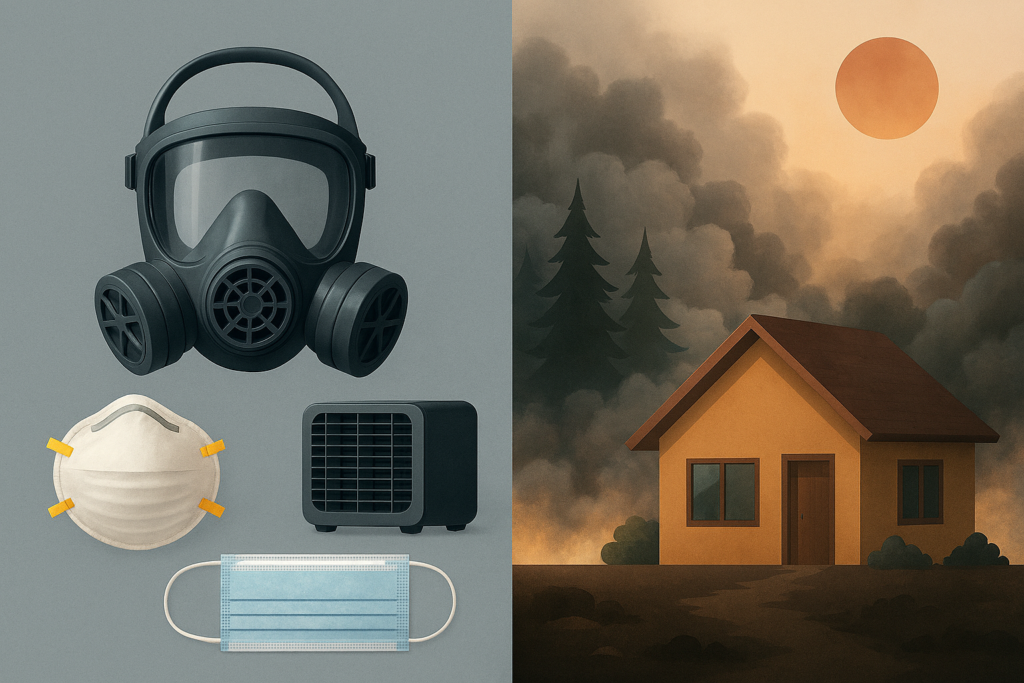
Wildfires and severe air pollution events pose significant health risks due to the presence of smoke, fine particulate matter (PM2.5), and harmful gases. Protecting your respiratory system during these conditions is essential for reducing exposure and maintaining health.
Why Respiratory Protection Matters
Smoke from wildfires contains a mixture of gases and microscopic particles that can penetrate deep into the lungs. Prolonged exposure can lead to:
- Respiratory irritation
- Worsening of asthma and other lung conditions
- Increased risk of cardiovascular issues
Air pollution, especially high levels of PM2.5, can have similar effects, making protective measures critical.
Choosing Masks for Smoke and Particulate Matter
Not all masks provide adequate protection against wildfire smoke or air pollution. Here’s what to consider:
1. N95 Respirators
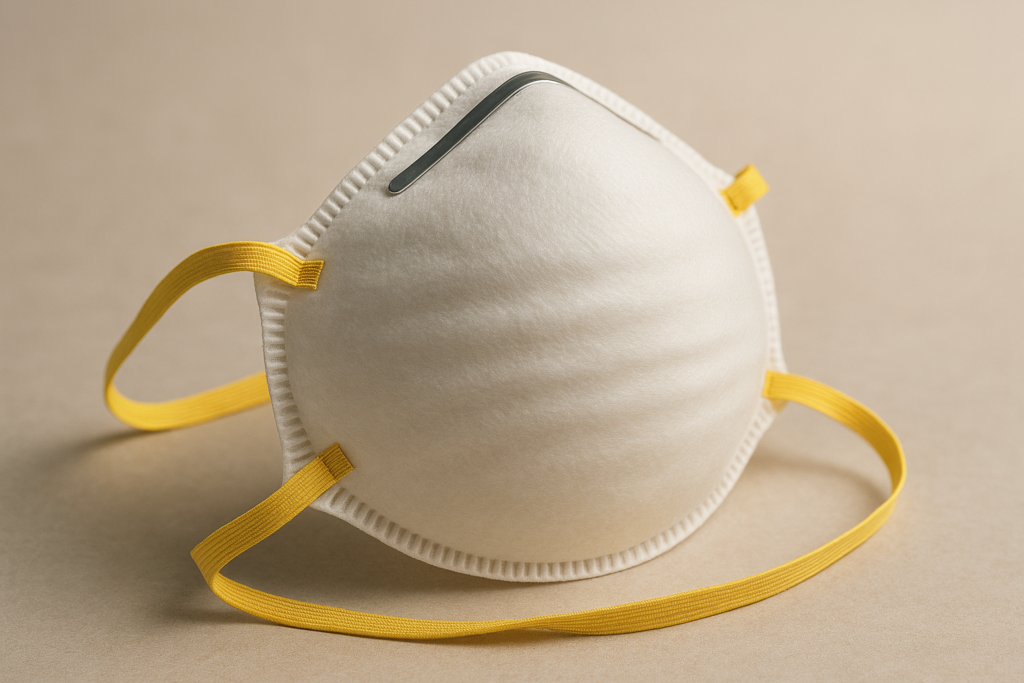
- Effectiveness: Filters out at least 95% of airborne particles, including PM2.5.
- Fit: Must form a tight seal around the nose and mouth.
- Limitations: Not suitable for children or people with certain health conditions.
2. P100 or Elastomeric Respirators
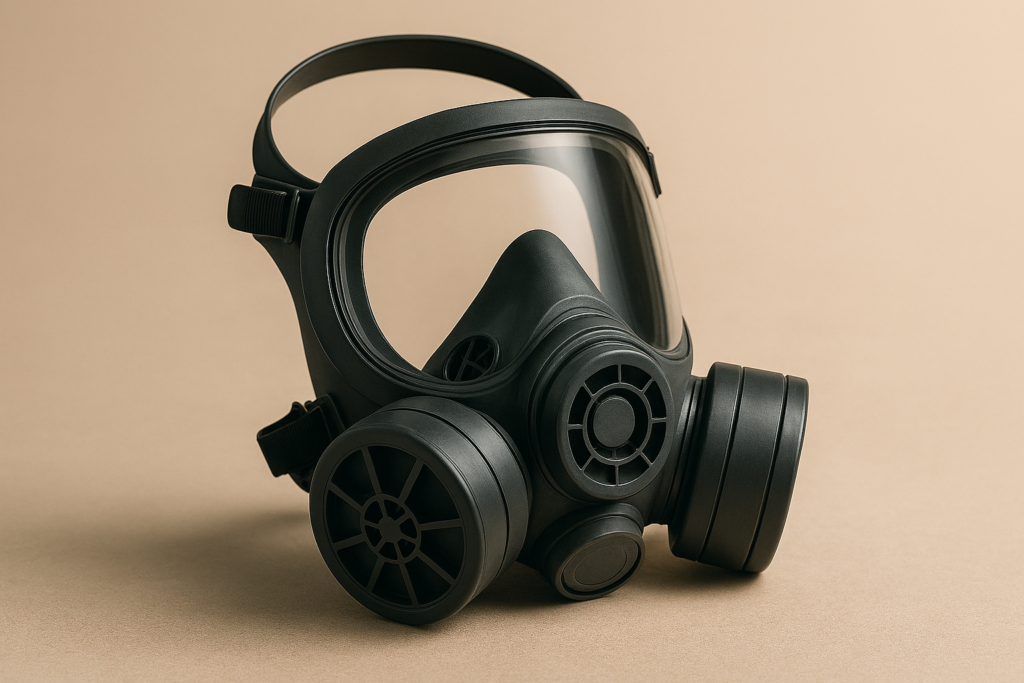
- Effectiveness: Offers higher filtration efficiency than N95.
- Reusable: Requires proper cleaning and maintenance.
3. Avoid Cloth Masks or Surgical Masks
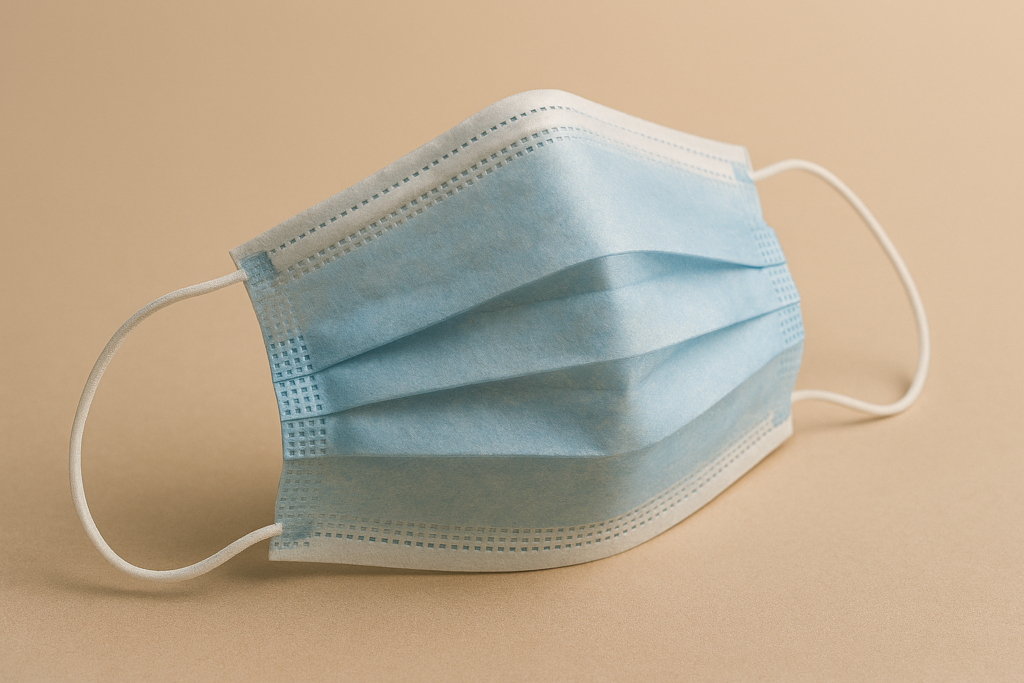
- These do not provide adequate protection against fine particles from smoke.
Tips for Proper Use
- Perform a seal check each time you wear the mask.
- Replace disposable masks when they become dirty or damaged.
Indoor Air Quality Tips
When outdoor air quality is poor, improving indoor air is crucial:
1. Keep Windows and Doors Closed
- Prevent smoke infiltration.
2. Use HEPA Air Purifiers
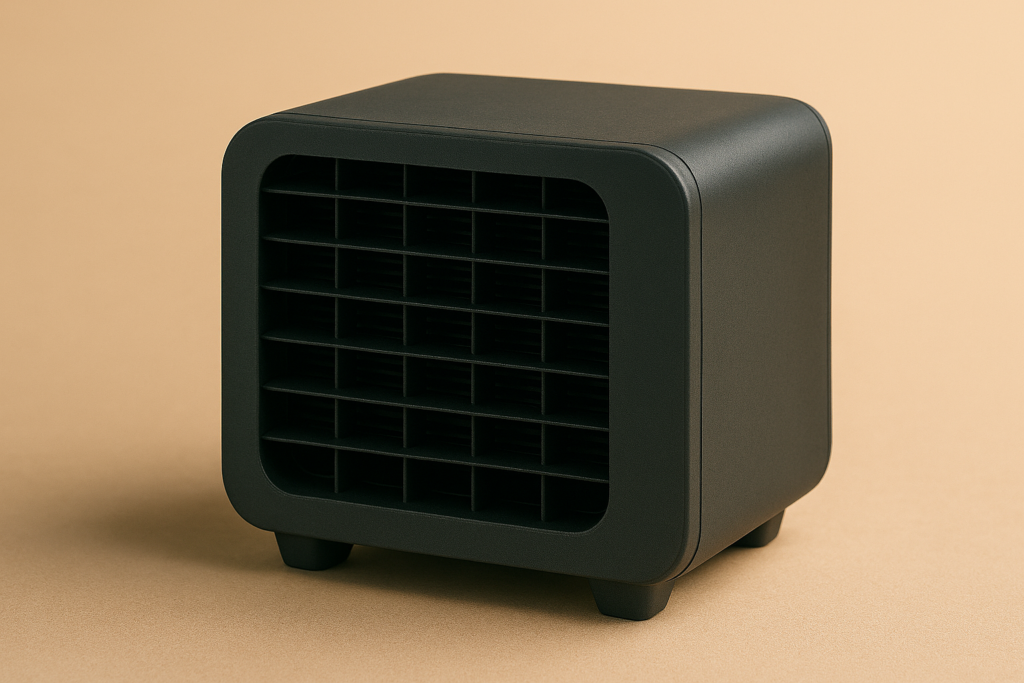
- HEPA filters can remove fine particles from indoor air.
- Place purifiers in rooms where you spend the most time.
3. Avoid Activities That Worsen Indoor Air
- Do not burn candles, use fireplaces, or fry food during smoke events.
4. Create a Clean Room
- Designate one room with an air purifier and minimal openings for refuge during severe smoke conditions.
5. Monitor Air Quality
- Use apps or websites to track AQI (Air Quality Index) and adjust activities accordingly.
Additional Precautions
- Stay hydrated to help your body cope with pollutants.
- Limit outdoor activities during high AQI periods.
- Follow local health advisories and evacuation notices.
Summary
Respiratory protection during wildfires and air pollution involves selecting the right mask and improving indoor air quality. N95 or higher-rated respirators are essential for outdoor exposure, while HEPA filters and clean rooms help indoors. Staying informed and prepared can significantly reduce health risks during these events.